In brief
- When people work around a platform, the platform is telling you the workflow was designed for a different operation.
- Every gap between the platform and the work falls into one of five kinds, and each kind has a different owner and a different fix.
- Go-live is the point where the real requirements start arriving, not the end of the project.
When people work around a platform, the platform is telling you the workflow was designed for a different operation. The enterprise service management system, the CRM or the case platform is live and licensed, yet requests still arrive by email, a spreadsheet tracks the exceptions, and the reports that were meant to show the state of the work are not trusted by the people who run it. This is one of the most common problems operations and IT leaders describe, and it is rarely solved by another round of configuration requests.
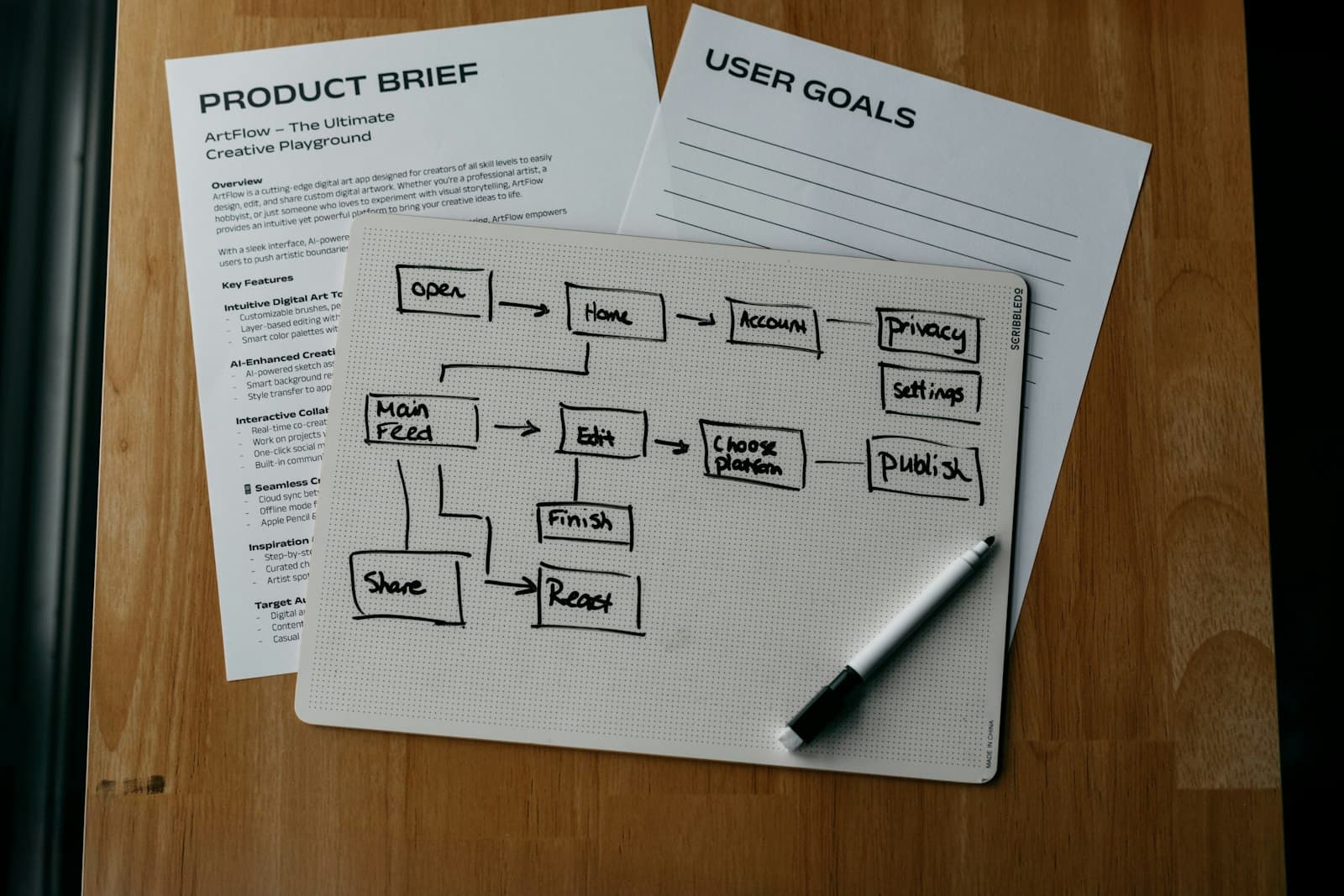
The symptoms tend to appear in a recognizable order. A few fields are left blank because nobody knows what to put in them. A side spreadsheet appears to track the cases that do not fit the standard path. Approvals happen in email and are recorded in the platform afterwards, if at all. A team asks for its own form, then its own queue, then its own customization. The backlog of enhancement requests grows faster than it is delivered. Eventually someone proposes replacing the platform.
Replacement is occasionally the right answer. More often, the platform is capable of supporting the operation and was simply configured around the wrong picture of it.
That picture usually goes wrong in one of three ways during implementation. The first is that the platform's default process was adopted as the design, because it was available and the timeline was short. Defaults are built for a typical organization; the operation in front of you is not typical in the places that matter most to it. The second is the opposite: the old process was copied into the new platform exactly, including the workarounds that only existed because the old system could not do better. The third is that requirements were gathered as a list of features rather than a description of how work should flow, who decides what, and what a good outcome looks like. A feature list can be delivered in full and still produce a workflow nobody wants to use.
Behind all three sits a structural problem. Many implementations are run as projects that end at go-live, and ownership ends with them. The people who understood why the platform was configured the way it was move on. The people who use it every day inherit decisions they did not make and cannot easily change.
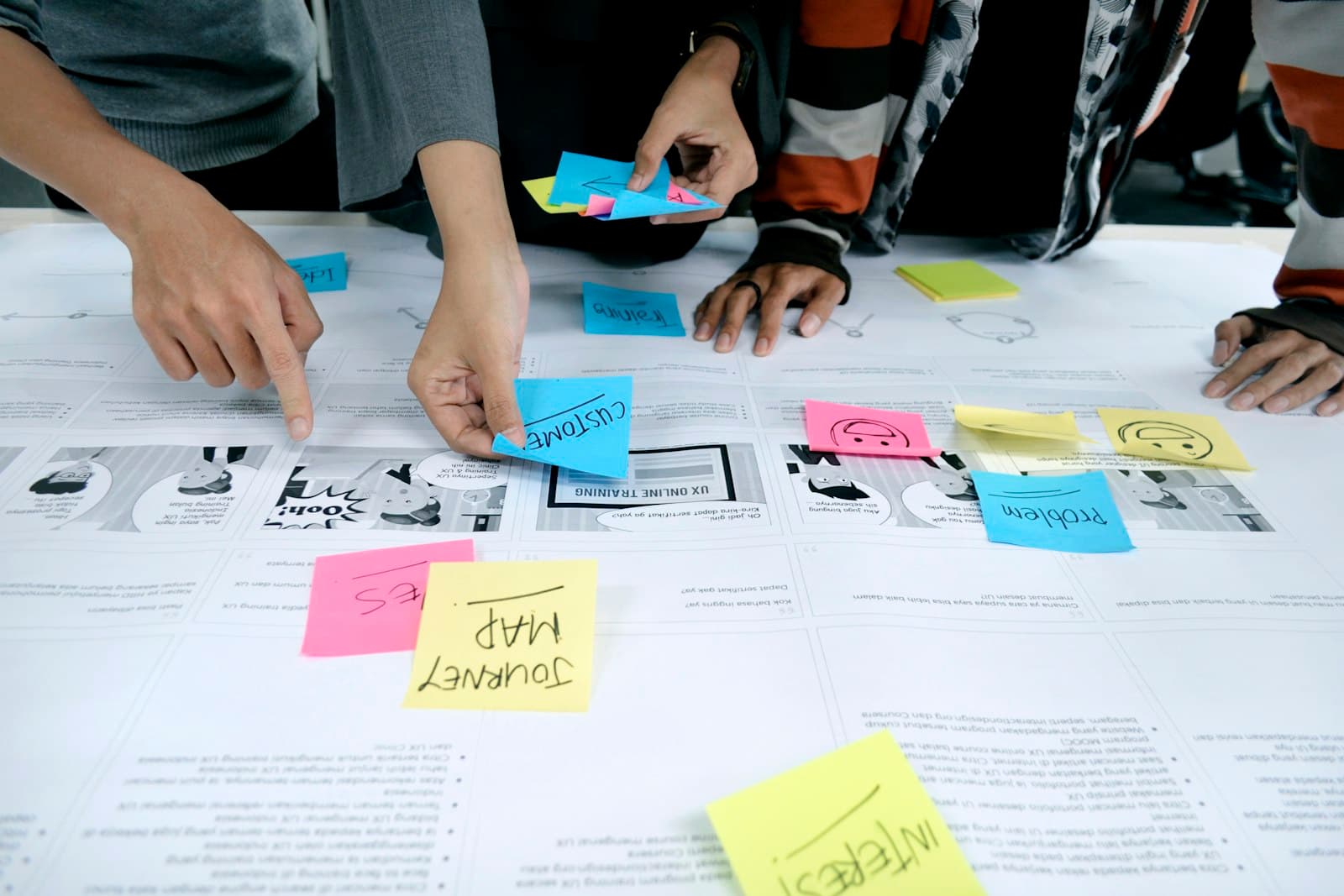
The way back starts with the process, not the platform. Pick the workflow causing the most friction and look at how the work actually moves today, including every path that runs outside the system. Talk to the people doing the work and the people receiving it. Record where the platform is used as intended, where it is bypassed, and why.
Every gap between the platform and the work falls into one of five kinds, and each kind has a different owner and a different fix. Some gaps are configuration: the platform can already do what is needed, and it was set up differently or not at all. These are usually the quickest wins. Some are process or policy: the platform is behaving correctly, but the underlying rule is unclear, disputed or outdated, and no configuration will settle that. Those need a decision from the business owner. Some are data: the right information does not exist, is held in another system, or is entered inconsistently, so the workflow cannot route or report on it. Some are integration: the platform needs information from another system, or needs to send it on, and people are doing that transfer by hand. And a smaller number are genuine gaps in capability, where the platform cannot reasonably do what the operation needs without custom development or a separate application.
Sorting the backlog into these five kinds changes the conversation. A long list of enhancement requests becomes a short set of decisions, a set of configuration changes, a data clean-up, a few integrations and perhaps one build. It also prevents the most expensive mistake in platform work, which is customizing heavily to solve a problem that was really about policy or data. Heavy customization makes every future upgrade harder and ties the organization more tightly to decisions made under pressure.
With the gaps sorted, design the future workflow before changing anything: the path most work should follow, the exceptions that deserve their own path, who owns each decision, what the platform should record and what the reports should show. Test that design with the people who will use it. Then implement in order of operational impact, not in order of who asked loudest.
Go-live is the point where the real requirements start arriving, not the end of the project. Once real volume runs through a workflow, exceptions surface that no workshop predicted. That is normal. What matters is whether there is a way to capture them, decide on them and deliver the changes without the platform drifting back into workarounds. That means an enhancement backlog with a clear owner, a regular review of what the platform's own data says about where work is stuck, and a small set of measures, such as time to resolve, share of work handled outside the platform and volume of reopened items, that show whether the workflow is getting better or worse.
This applies whichever platform is in place. CnergyPro's ServiceNow work is practitioner-led, and the same approach holds for Microsoft, Salesforce and other workflow platforms: understand the operation first, then make the platform fit it.
In CnergyPro's delivery model, this is the Optimize stage feeding back into Assess. Measure how the workflow performs in production, assess where it no longer fits the work, architect the changes that matter, implement them, and keep going. The team that shaped the solution stays connected through implementation, so the reasons behind each design decision are not lost when the project closes, and support and optimization continue beyond go-live where the engagement requires it.
A platform that fits the operation is quiet. People use it because it is the easiest way to get the work done, the reports match what managers see on the floor, and the enhancement backlog contains improvements rather than complaints. Getting there rarely needs a new platform. It needs someone to look at the work again.
CnergyPro helps organizations improve critical business processes, then configures, integrates, builds and optimizes the technology that makes the better process operational. If your platform is live and the work is still happening around it, tell us what's not working.