
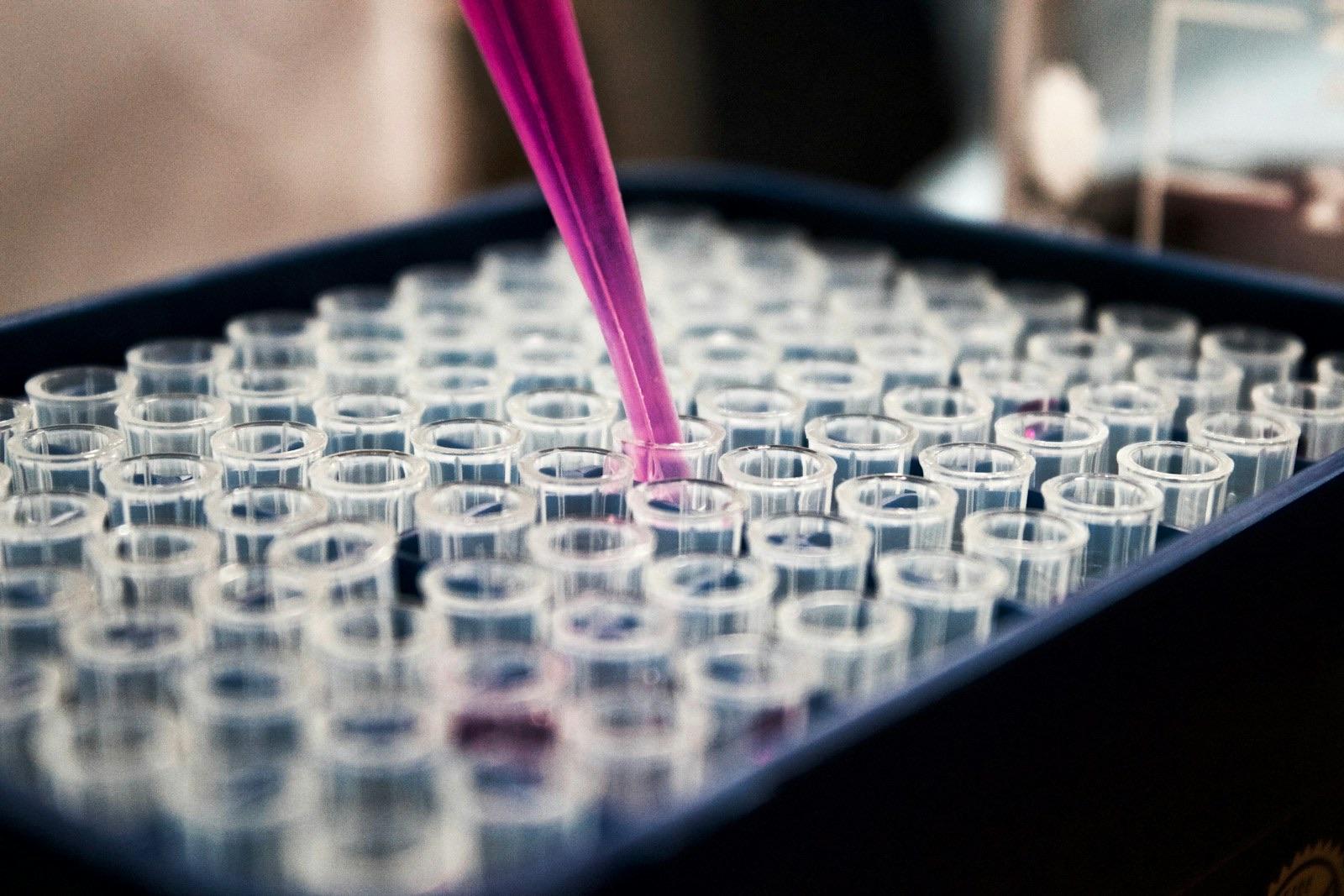
AstraZeneca, a global biopharmaceutical company with over 89,000 employees, faced a challenge familiar to large R&D-intensive organizations: its scientists and researchers were spending thousands of hours on manual administrative tasks instead of focusing on discovering life-changing medicines. Laboratory requests, IT service tickets, and HR processes were scattered across disconnected systems, creating bottlenecks and frustration.
The company turned to ServiceNow as its enterprise-wide workflow platform, consolidating fragmented processes onto a single system. Using ServiceNow App Engine, AstraZeneca built custom applications to route and manage over 60,000 laboratory requests through one unified system — replacing manual email chains and spreadsheets with automated workflows that complete in seconds what previously took 30 minutes.
The results have been transformative. AstraZeneca now saves more than 30,000 hours every year through automation across IT, HR, and laboratory operations. Tasks that once required manual handoffs between departments are now resolved automatically, freeing scientists to focus on research and drug development rather than paperwork.
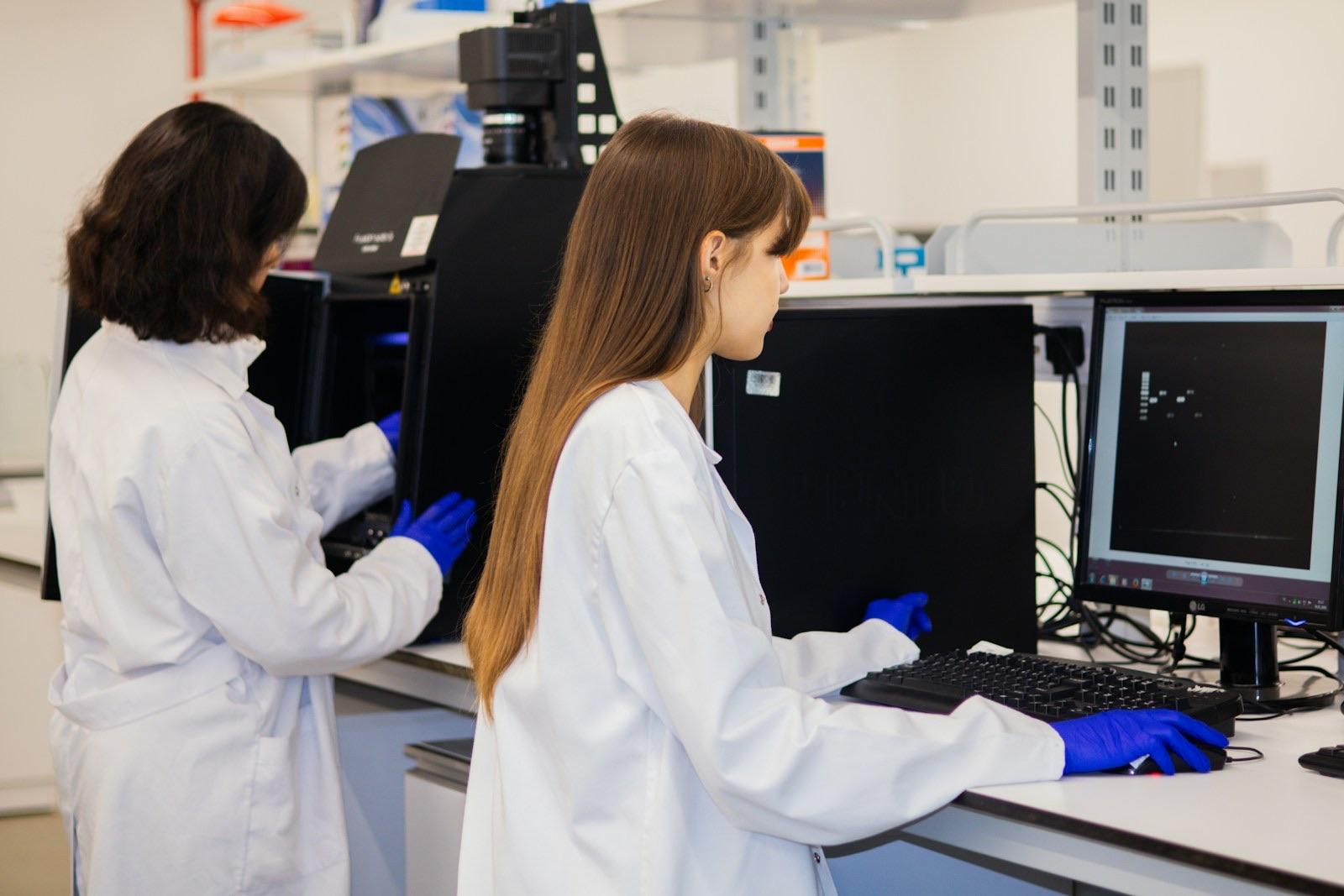
Beyond IT, AstraZeneca deployed ServiceNow HR Service Delivery to overhaul its employee onboarding experience. The new Onboarding 2.0 program, powered by Now Assist’s generative AI capabilities, is projected to save hiring managers over 90,000 hours annually by automating provisioning, compliance checks, and new-hire orientation workflows.
AstraZeneca’s success demonstrates a pattern we see across healthcare and life sciences organizations: the greatest ROI from ServiceNow comes not from a single module, but from treating the platform as an enterprise-wide automation layer that spans IT, HR, and domain-specific operations. When the platform becomes the connective tissue between departments, the compounding efficiency gains are substantial.